
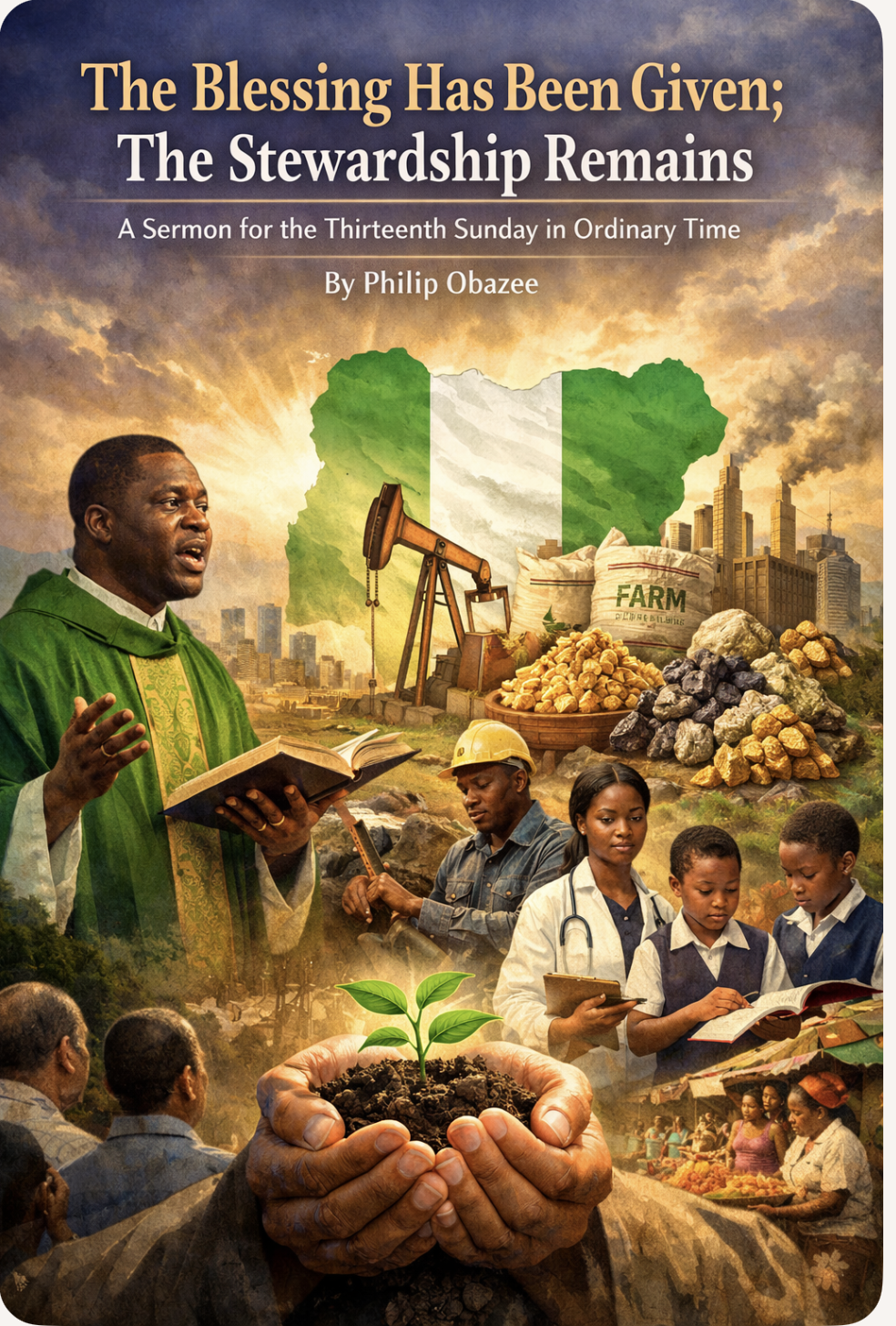
My dear brothers and sisters in Christ,
I agree completely with the central truth before us today: the burden is on us. The Lord has not abandoned Nigeria. The Lord has not left the land empty. The Lord has not denied the people intelligence, energy, resources, imagination, markets, or opportunity. On the contrary, God has placed before us a land filled with minerals, a large and dynamic population, fertile human capacity, cultural depth, and immense economic possibility.
The question, therefore, is not whether God has blessed Nigeria. The evidence of blessing is everywhere. The more difficult question is whether Nigerians are prepared to become faithful stewards of what God has already given.
There is a dangerous habit among us. When things fail, we blame God. When institutions collapse, we spiritualize negligence. When corruption destroys opportunity, we speak as though heaven withheld favor. When leadership fails, we curse destiny. When our collective disorder produces poverty, insecurity, and distrust, we invoke the name of the Lord as though God were responsible for the disorder that human beings have freely chosen to tolerate, excuse, protect, or benefit from.
But faith does not permit that kind of evasion. True religion does not excuse irresponsibility. Prayer is not a substitute for discipline. Worship is not a replacement for justice. Divine blessing is not a license for institutional laziness. God may give the land, but human beings must cultivate it. God may give minerals, but human beings must govern them. God may give population, but human beings must educate it. God may give markets, but human beings must organize them through law, trust, infrastructure, enterprise, and moral seriousness.
That is why Nigeria’s problem is not primarily the absence of divine endowment. It is the failure to convert endowment into order, productivity, justice, and shared prosperity.
A land full of minerals is not automatically a wealthy nation. A large population is not automatically a productive market. Oil does not automatically create development. Lithium does not automatically create prosperity. Gold, gas, iron ore, rare minerals, fertile land, ports, rivers, and human talent do not become national wealth by mere existence. They become wealth only when a people have the discipline to govern them properly.
The Lord has given the raw material. We must supply the stewardship.
This is where our moral responsibility begins. We must stop using God’s name to cover human failure. To invoke God while practicing corruption is not faith. To pray for national progress while stealing public resources is not faith. To ask God for good leaders while selling votes, defending incompetence, celebrating thieves, or excusing ethnic and religious bias is not faith. To shout “God will help us” while refusing to build honest institutions is not faith. That is presumption. That is spiritual laziness. That is using sacred language to avoid civic duty.
God is not mocked. A society reaps what it sows. If it sows disorder, it cannot harvest development. If it sows corruption, it cannot harvest justice. If it sows mediocrity, it cannot harvest excellence. If it sows division, it cannot harvest national unity. If it sows impunity, it cannot harvest peace.
This does not mean leadership is unimportant. Of course Nigeria needs good leaders. No serious nation can flourish without competent, honest, and disciplined public leadership. Presidents, governors, ministers, legislators, judges, civil servants, security chiefs, traditional rulers, religious leaders, and business elites carry heavy responsibility because they possess decision-making power over public life. Those who control public resources will answer before God and history for how they used or abused them.
But we must also be careful. The cry that “Nigeria needs good leaders” can become incomplete if it allows everyone else to escape responsibility. Leadership is not confined to Aso Rock, state houses, ministries, courts, and parliaments. Leadership also exists in homes, churches, mosques, schools, markets, professional associations, village meetings, corporate offices, universities, unions, media houses, and local communities.
In our own way, each of us is a custodian of some portion of Nigeria’s moral order. A parent who raises a child in honesty is leading. A teacher who refuses to sell grades is leading. A civil servant who refuses a bribe is leading. A police officer who protects rather than extorts is leading. A trader who refuses to cheat is leading. A pastor or priest who speaks truth rather than flattering power is leading. A journalist who refuses propaganda is leading. A judge who refuses inducement is leading. A voter who refuses to sell conscience for money is leading.
The nation is not an abstraction. Nigeria is the sum of millions of daily moral decisions. The state is not only what happens in Abuja. The state is also what happens at the licensing office, the police checkpoint, the school gate, the hospital desk, the market stall, the church committee, the local government office, and the family table.
Therefore, when we say Nigeria needs good leaders, we must also ask: from where will those leaders come? They will come from the same families, schools, churches, mosques, communities, and social habits that produce the rest of us. If the moral soil is poisoned, the political tree will not bear healthy fruit. If society rewards fraud, politics will eventually institutionalize fraud. If society worships wealth without asking how wealth was obtained, then public office will become a marketplace for looting. If society excuses wrongdoing when “our own person” commits it, then justice will become tribal, selective, and weak.
This is why the work before Nigeria is both political and spiritual. It is political because institutions must be reformed. It is spiritual because character must be reformed. It is economic because resources must be productively used. It is moral because prosperity without justice becomes another form of bondage.
The Lord has given Nigeria minerals and abundance. The Lord has given Nigeria a large market. The Lord has given Nigeria energetic young people. The Lord has given Nigeria land, water, culture, intelligence, creativity, and resilience. But God’s gifts are not magic. They are assignments. A blessing is not simply something to enjoy; it is something to answer for.
In Scripture, gifts are always connected to responsibility. The servant who receives talent must trade with it. The vineyard must be cultivated. The field must be planted. The lamp must not be hidden. The city set on a hill must give light. God gives, but man must respond. Grace does not abolish duty; grace makes duty possible.
So, the message for Nigeria is simple but serious: stop treating divine blessing as though it were a finished product. It is not. Divine blessing is a beginning. Human stewardship determines whether that blessing becomes prosperity or judgment.
Oil was a blessing, but it also became a source of corruption, pollution, dependency, and regional bitterness. That was not because oil is evil. It was because governance failed. Minerals can follow the same path. Lithium and other critical minerals can strengthen Nigeria, create industries, support technology, generate jobs, and deepen national wealth. But if they are captured by elites, exported raw, surrounded by secrecy, used to impoverish host communities, and converted into another formula for political bargaining, then what should have been a blessing may become another albatross on national progress.
God gave the resource. Human beings will determine the outcome.
That is the heart of today’s sermon. Nigeria does not lack enough blessings to begin. Nigeria lacks enough discipline to steward what has already been given. We must therefore stop asking God to do what God has already empowered us to do. We must stop confusing prayer with passivity. We must stop pretending that national transformation will fall from heaven while we continue to tolerate the habits that destroy nations.
Let us pray, yes. But let our prayer produce honesty. Let our worship produce justice. Let our thanksgiving produce stewardship. Let our faith produce courage. Let our confession produce repentance. Let our patriotism produce work. Let our complaint produce responsibility.
On this Thirteenth Sunday in Ordinary Time, the word “ordinary” should not deceive us. God often does extraordinary things through ordinary obedience. A nation is not rebuilt only by grand speeches. It is rebuilt by daily fidelity: one honest transaction, one truthful judgment, one competent office, one disciplined institution, one courageous citizen, one responsible leader, one morally serious community at a time.
The Lord has given the land. The Lord has given the people. The Lord has given the minerals. The Lord has given the market. The Lord has given the opportunity.
Now the burden is on us.
May God give Nigerians the wisdom to see the blessing, the discipline to govern it, the courage to reform what is broken, and the humility to stop blaming heaven for what human irresponsibility has failed to do.
Amen.
———
Philip Obazee retired as a managing director and head of derivatives from Macquarie Asset Management – a global asset management company with an office in Philadelphia, PA, USA, and currently, he is the founder and chief executive officer of Polymetrics Americas Research.
RETURN


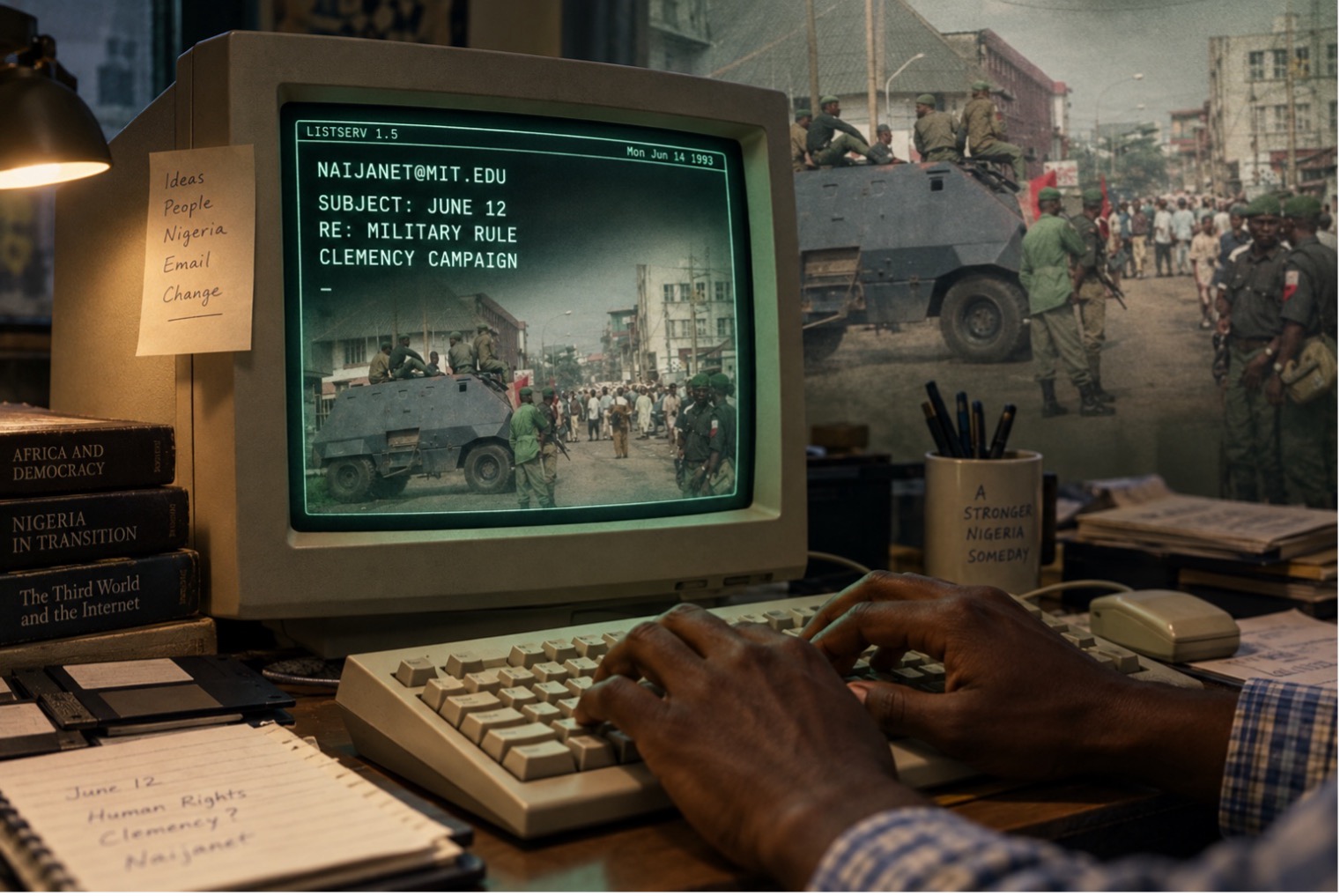
Is Artificial Intelligence Stupid? – Misconceptions to a Legal AlbatrossMy engagement with artificial intelligence (AI) began in 1998, when I was a ...
Wike Is Right on the Money: Nigerian Football, National Pride, and the Lost Discipline of Sports DevelopmentPreviously published on VANGUARD Newspaper...
The Blessing Has Been Given; The Stewardship Remains- A Sermon for the Thirteenth Sunday in Ordinary Time -My dear brothers and sisters in Christ,I ag...

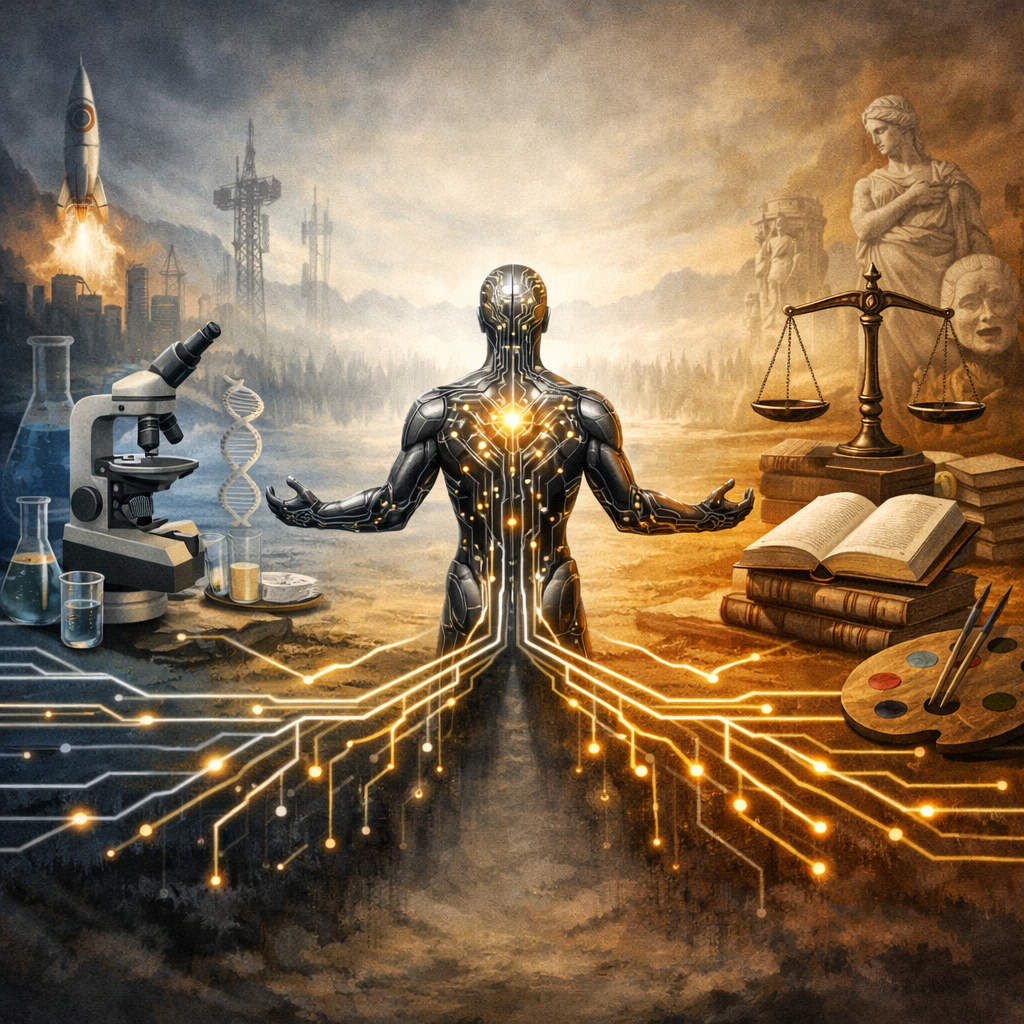
AI Can Cross Disciplines. It Still Can’t Replace Expert Judgmentfirst published on Substack on April 28, 2026Large language models (LLMs) have becom...
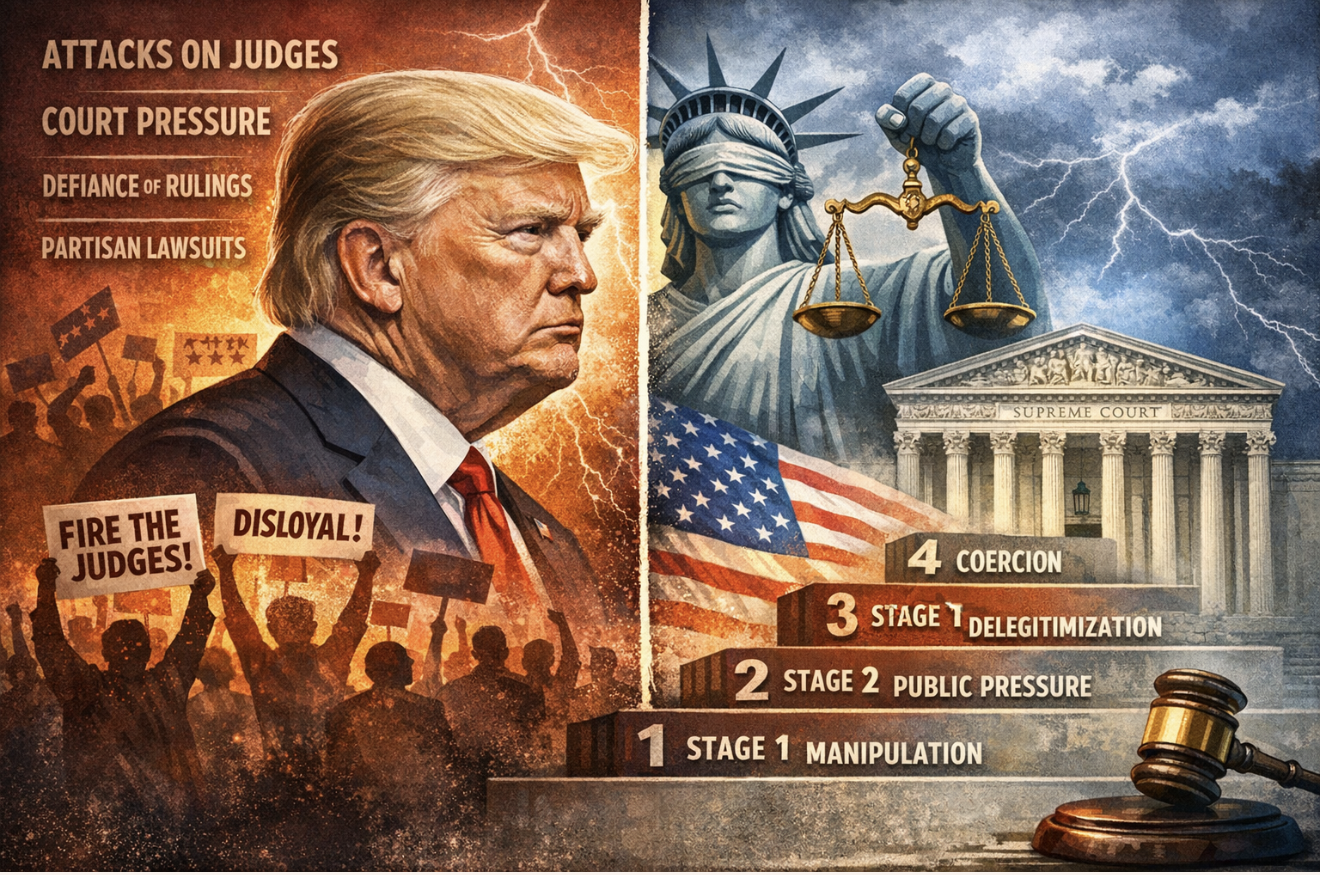
Intimidating The Judiciary: Trump and A Global History of Executive Pressure on Supreme Courts- From Washington to Berlin to Budapest, and the warning...



Social & Political Issues / Sep 19, 2026
A Death, and a Remembrance of a Time PastSocial & Political Issues / Oct 18, 2003
Abuja As A Hi-Tech Hub For Innovation, Entrepreneurship, And Knowledge ExchangeSocial & Political Issues / Jun 02, 2004
About "Security Breach" and "Coup Scare"Social & Political Issues / Oct 05, 2002
ABOUT THE NORTHERN AGENDA : "General said, Chief said, Alhaji said"Social & Political Issues / Feb 09, 2006
Abduction of Oil Workers: Matters Arising© 2026 Segun Toyin Dawodu | All rights reserved